
Has My Rescue Dog Been Abused?

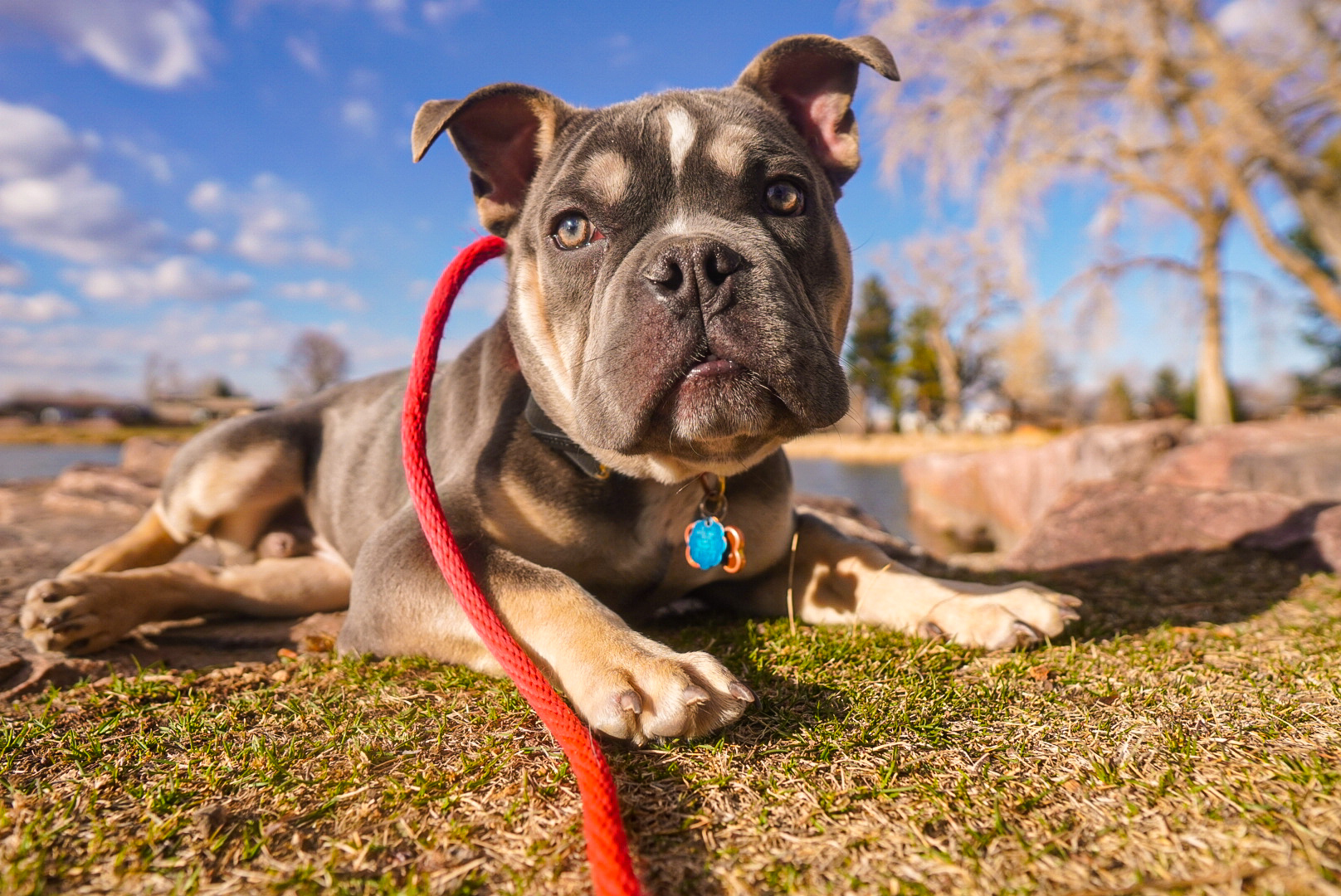
A fearful or shy rescue dog has not necessarily been abused. Lack of socialization, stress from the shelter-to-home transition, genetics, and simple unfamiliarity with a new environment are all more common causes of fearful behavior than past abuse. Here's how to tell the difference and help your dog adjust.
Why Does My Rescue Dog Seem Scared?
Fearful or shy behavior can stem from various reasons, including:
- Lack of Socialization. Dogs that have not been exposed to a variety of people, environments, and experiences may act scared simply because they are unfamiliar with the world around them.
- Stress and Adjustment. Moving from a shelter or foster home to a permanent home is a significant change.
- Genetics. Some dogs are naturally predisposed to be more cautious or shy.
- Negative Past Experiences. While less common, abuse or neglect may contribute to fear-based behaviors in some dogs.
What Can I Do to Help My Rescue Dog?
1. Give Them Time and Space
Your dog needs time to adjust to their new surroundings. Allow them to explore at their own pace.
2. Focus on Positive Reinforcement
Reward your dog for calm and confident behavior, but avoid reinforcing scared or timid behaviors.
3. Establish a Routine
Dogs thrive on structure. A predictable schedule can help them feel more secure and relaxed.
4. Practice Patience
Progress may be slow, but small victories are worth celebrating.
5. Seek Professional Help
If your dog's fearfulness persists or worsens, consider working with a professional trainer or behaviorist.
Final Thoughts
While it's tempting to assume the worst about your rescue dog's past, the truth is often less dramatic. At Chomps Dog Training, we specialize in helping rescue dogs and their families build strong, lasting relationships. Contact us today to learn more about our training programs.


.webp)