
How to Introduce Your Dog to a New Baby the Right Way
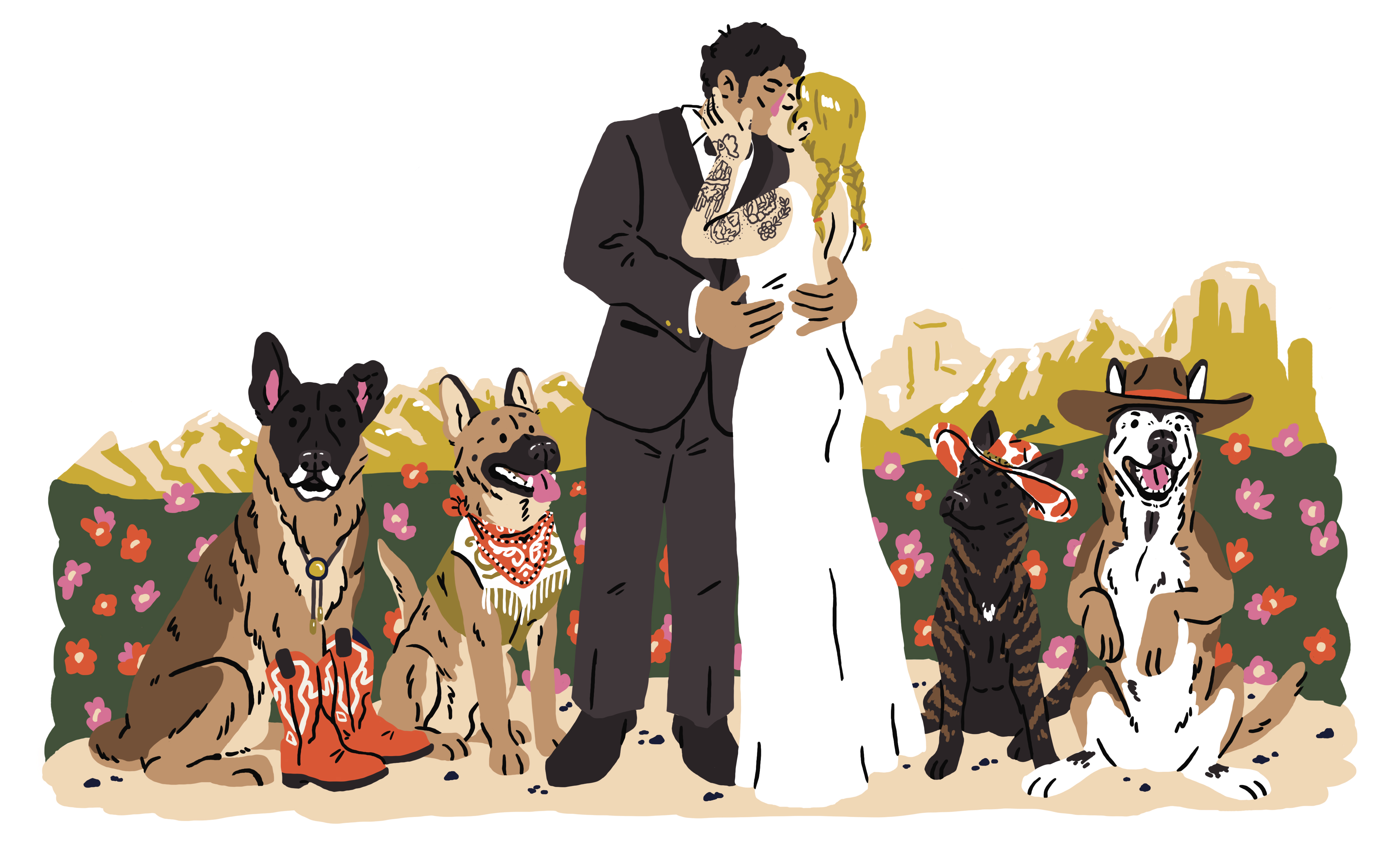

If you have a baby coming and a dog who is not exactly the model of calm, contained behavior, now is the time to deal with it. Not after the baby arrives.
Start before the baby comes home
The adjustment is significantly harder when you are sleep deprived, recovering from delivery, and trying to manage a dog who has no idea what is happening. Everything you do to prepare the dog before the baby arrives is work you do not have to do in those first brutal weeks.
That means basic obedience needs to be solid. Your dog should be able to hold a stay, come when called, go to a place on command, and move away from things when you ask. Those are not nice-to-haves. Those are the tools you are going to need.
Introduce the sounds and smells early
Babies cry differently than any sound a dog has typically heard. That sound activates something in a lot of dogs — some get anxious, some get very still and watchful, some get excited. You want to know what your dog does before that sound is attached to an actual infant you are holding.
Play recordings of baby sounds at low volume while your dog is doing something calm. Feed them, do a training session, just hang out. Gradually increase the volume and watch how they respond. The goal is for baby sounds to become completely unremarkable by the time the baby is actually home.
The smell piece matters too. Bring home a blanket or clothing item from the hospital before you bring the baby home. Let the dog sniff it. Make it a nothing event, not a big production.
Set the rules before you need them
A lot of people make the mistake of letting the dog have free run of the house and then trying to establish new rules after the baby arrives. That is a recipe for conflict.
If there are rooms you want the dog to stay out of, enforce that now. If you want the dog off the furniture when the baby is in the room, start that expectation now. The dog does not know why the rules are changing. All they know is that the rules are changing, and that is disorienting.
Set up whatever boundaries you plan to have and start holding them consistently before the baby is home. By the time the baby arrives, those boundaries should be established and comfortable for the dog, not new.
The actual introduction
When you bring the baby home, do it calmly. Do not make it a big event. Let the dog see the baby from a distance at first. Watch their body language. A dog who is stiff, staring, or intensely focused on the baby is telling you something worth paying attention to.
You are not trying to rush the relationship. You are building a positive association slowly. Baby is in the room, dog gets to be calm nearby and gets rewarded for calm behavior. As they show you they can be calm when the baby is making noise, moving, doing whatever babies do, you give them more exposure. It is gradual and it is earned, same as anything else in training.
If your dog is already struggling with impulse control, reactivity, or has a history of being over the top with excitement, getting that handled before the baby comes home is going to make everything significantly easier. That is a conversation worth having sooner rather than later.
If you want expert help getting your puppy — or adult dog — started right before a major life change, take a look at our training programs to see what might work for your dog. Contact us when you're ready to talk.