
Introducing a New Dog to Your Household: Do's and Don'ts

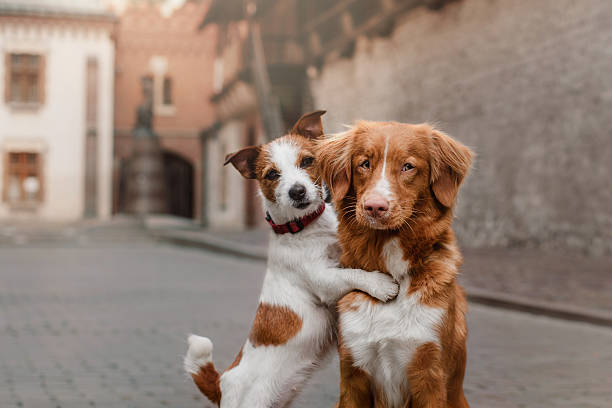
The most important rule when introducing a new dog to your household is starting on neutral ground, not inside your home, and never assuming the dogs will “figure it out” on their own. Structure from day one — leashes, separate feeding, and supervised interactions — prevents most fights and tension between resident and new dogs.
Whether you're adopting a second dog or bringing home a foster or rescue, here's how to set the stage for a successful introduction and what mistakes to avoid.
DO: Start with a Neutral Introduction
If you already have a dog at home, the first meeting should not happen inside your house. Dogs can be territorial, and introducing a new dog on home turf puts your current dog at a disadvantage or in a state of distress.
Instead:
Start the intro on neutral ground like a quiet park or large open area. Go for a walk together without having the old and the new dog interact. Keep some distance between the dogs and let them observe each other without direct pressure.
Take your time with this before you allow an interaction to occur. Once they're both relaxed in each other's presence, you can slowly close the distance.
DON'T: Let Them “Work It Out”
This is one of the most common (and dangerous) mistakes. Hoping that two unfamiliar dogs will sort out their issues without guidance is a gamble that can end in a fight and damage their relationship from the start.
Dogs don't “work things out” by fighting. They form opinions based on experiences. A tense or aggressive first impression can take weeks or months to undo.
DO: Use Structure Right Away
Once you bring the new dog home, structure is your best friend.
- Leash the new dog indoors at first. Even in your yard.
- Have your new dog drag a leash at all times when roaming the house, yard, etc. (make sure to supervise to avoid safety hazards).
- Create separation during meals, toy time, and high-excitement periods.
- Use crates, gates, or rotation to prevent overexposure or resource guarding.
- Avoid free-for-alls or chaotic play during the first few days.
Calm coexistence is your first goal, not immediate bonding.
DON'T: Force Interactions or Affection
It's normal to want the dogs to cuddle and become best friends right away. But dogs need time to build trust. Pushing physical closeness or letting the new dog invade the resident dog's space can backfire fast.
Watch for body language: stiff posture, whale eye (side eye), lip licking or yawning, avoidance or blocking. These are signs one (or both) dogs are uncomfortable. Respect it. Back off. Give them space.
DO: Prioritize the Resident Dog's Routine
The new dog might be the shiny new toy, but your current dog still needs consistency and leadership. Keep their walks, meals, and rules the same. Dogs crave routine, and your resident dog will feel more secure if things stay familiar.
DON'T: Leave Them Alone Together Right Away
Even if things are going smoothly, do not leave the dogs alone together unsupervised in the early days. Use crates or separate rooms when you leave the house.
DO: Work With a Professional if Needed
If you're seeing signs of tension, growling, or constant posturing, don't wait. A professional trainer can help you navigate introductions safely and set both dogs up for long-term success.
Final Thoughts
Good relationships take time and the same goes for dogs. Introductions done right are calm, structured, and gradual. If you're struggling with dog-to-dog intros or managing a multi-dog home, we can help. Reach out to Chomps Dog Training for a custom plan that works for your pack.


.webp)