
Leash Reactivity in Dogs: Causes, Myths, and Step-by-Step Solutions

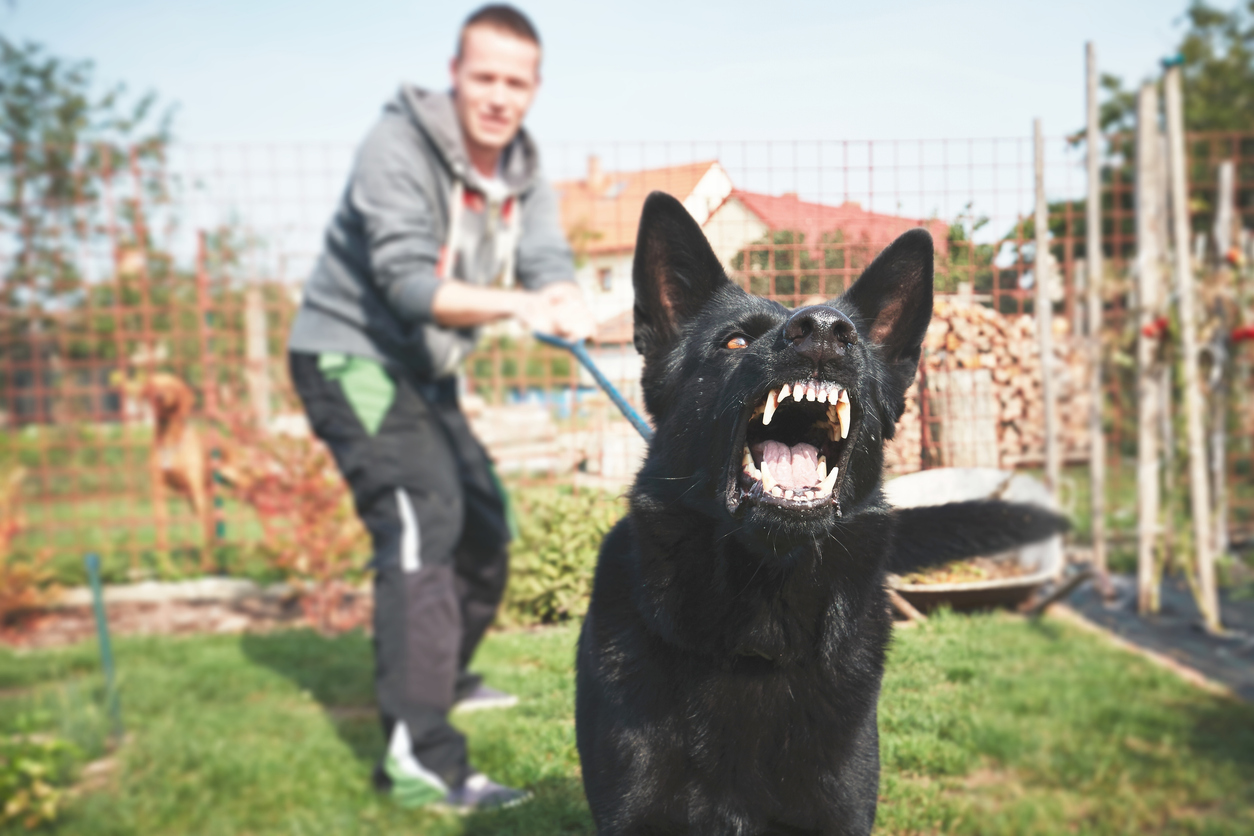
Leash reactivity is when a dog barks, lunges, or pulls toward other dogs or people while on leash, usually driven by frustration, fear, or a lack of structure on walks — not simple excitement. It's fixable through foundational obedience, clear communication tools, and gradual, controlled exposure to triggers.
What is Leash Reactivity?
Leash reactivity is when a dog overreacts—barking, lunging, pulling—while on leash in response to a trigger. Many leash-reactive dogs are totally fine off-leash at the dog park, but the restriction of the leash creates tension and frustration that spills out in the form of reactive behavior.
Why Does Leash Reactivity Happen?
- Frustration: The dog wants to greet or chase something, but the leash holds them back.
- Fear/Insecurity: The dog feels threatened or unsure and reacts to make the trigger go away.
- Lack of Structure: Dogs that don't have clear boundaries or leadership often take control on walks.
- Past Experiences: A dog that was attacked or scared on leash may develop defensive habits.
Myths About Leash Reactivity
Myth #1: It's Just Excitement. In reality, repeated arousal without direction can lead to full-blown aggression if left unaddressed.
Myth #2: You Shouldn't Correct a Reactive Dog. While corrections should be fair and well-timed, ignoring or purely “redirecting” reactive behavior isn't enough. A balanced approach uses both praise and correction to create clarity for the dog.
Step-by-Step: How We Help Dogs Overcome Leash Reactivity
1. Foundational Obedience First
We don't start with the problem—we start with the relationship. Your dog needs to understand pressure, leash communication, and impulse control.
2. Clear Communication Through Tools
We use tools like prong collars or e-collars to give clear, consistent communication. These aren't punishments—they're ways to guide your dog into better choices.
3. Correcting the Outburst
If your dog reacts on the leash, we calmly correct the behavior, mark it, and give the dog a better option, like walking in heel or making eye contact.
4. Neutral Exposure
We expose dogs to their triggers in a controlled way, at distances where they can succeed. Over time, we close the gap and reinforce calm behavior.
5. Owner Training & Consistency
Once the dog is solid with us, we train the humans—exactly how to handle your dog, when to correct, when to reward.
You Don't Have to Dread the Walk Anymore
Leash reactivity is frustrating, but it's absolutely fixable with the right approach. If you're struggling with leash reactivity, a board and train program might be the reset button your dog needs. Reach out and let's talk about how we can help.


.webp)